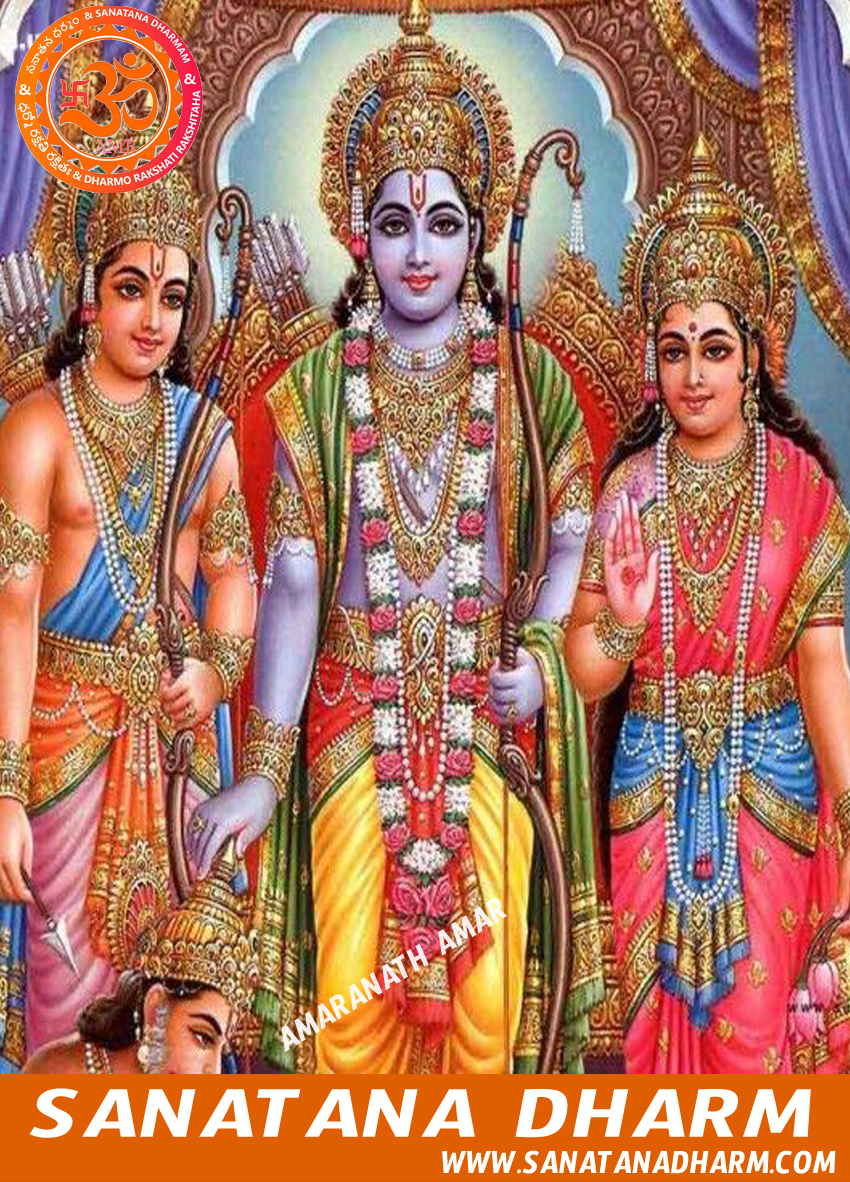
Hearing those mournful words relating to the death of his father, spoken by Bharata, Rama fainted away.
यह सुनकर कि भरत ने अपने पिता की मृत्यु की बात कही है, राम करुणा से भर गए और मूर्छित हो गए।
Hearing that unpleasant thunder bolt of words spoken by Bharata, like a thunderbolt released by Indra the Lord of celestials in a battle, Rama the tormentator of his enemies, stretched forth his hands and fell on the ground, in the same manner as a tree covered at extremities with blossoms was cut off by an axe in the forest.
यहाँ संस्कृत श्लोक का सरल हिंदी अनुवाद दिया गया है: दानवों के शत्रु राम ने उस वज्र के समान बाण को छोड़ा, जिसे सुनकर भरत ने कटु वचन कहे। फिर राम ने उस बाण को ऐसे पकड़ा जैसे वन में परशु से काटा गया पुष्पयुक्त वृक्ष भूमि पर गिरता है।
Seeing Rama lying on the earth, has the lord of the earth, like an elephant crushed by a land slide on a bank where he was sleeping, those brother along with Seetha approached him from all sides and weepingly sprinkled water on him.
यहाँ संस्कृत श्लोक का सरल हिंदी अनुवाद दिया गया है: जैसे युद्ध से थका हुआ और सोए हुए हाथी को देखकर दुःख होता है, वैसे ही पृथ्वी पर गिरे हुए, शोक से दुर्बल राम को देखकर, उनके भाई और सीताजी, रोते हुए, आँसुओं से भर गए।
Ayodhya Kanda – Sarga 103 · v4
स तु संज्ञां पुनर्लब्ध्वा नेत्राभ्यामस्रमुत्सृजन् |
उपाक्रामत काकुत्थ्सः कृपणं बहु भाषितुम् || २-१०३-६
Coming to his senses again and tears falling from his eyes, Rama began to speak much plaintively.
वह काकुत्स्थ (राम) संज्ञा प्राप्त करके, आँखों से आँसू बहाते हुए, करुणापूर्वक बहुत कुछ कहने के लिए उद्यत हुए।
Hearing that the King and his father had ascended to heaven, the virtuous. Rama spoke the following words, consistent with righteousness to Bharata.
राम ने अपने पिता को स्वर्ग में सुनकर, धर्मात्मा राम ने धर्मनिष्ठ भरत से यह वाक्य कहा।
Ayodhya Kanda – Sarga 103 · v6
किं करिष्याम्ययोध्यायां ताते दिष्टां गतिम् गते |
कस्ताम् राजवराद्धीनामयोध्याम् पालयिष्यति || २-१०३-८
"What should I do with Ayodhya, now that my father reached the end of his life? Who will rule that Ayodhya, which is bereft of that excellent king?
जब पिता अयोध्या छोड़कर चले गए, तो मैं अयोध्या में क्या करूँगा? अब राजसिंहासन के योग्य कौन अयोध्या का पालन करेगा?
Ayodhya Kanda – Sarga 103 · v7
किम् नु तस्य मया कार्यं दुर्जातेन महात्मनः |
यो मृतो मम शोकेन मया चापि न संस्कृतः || २-१०३-९
"In my misfortune, what can I do for that high-souled one? He died of grief on my account and I did not perform the last rites for him!"
उस महात्मा का मुझसे क्या काम, जो दुर्जन है? वह मेरे शोक से मर गया और मैंने उसका अंतिम संस्कार भी नहीं किया।
Ayodhya Kanda – Sarga 103 · v8
अहोः भरत! सिद्धार्थो येन राजा त्वयानुघ!|
शत्रुघ्नेन च सर्वेषु प्रेतकृत्येषु सत्कृतः || २-१०३-१०
"O, Bharata the faultless one! Alas! Happy are you, by whom as well as by Shatrughna the king was honoured by all obsequial rites!"
अहो भरत! तुमने राजा सिद्धार्थ का अनुगमन किया, और शत्रुघ्न ने भी सभी प्रेतकृत्यों में तुम्हारा सत्कार किया।
'Even after the end of my exile, I do not want to return to Ayodhya which is i a disarranged state, deprived of a chief and made bereft of a king."
यहाँ संस्कृत श्लोक का सरल हिंदी अनुवाद दिया गया है: बिना राजा के, अनेक गुणों से रहित और महत्वहीन हो गई अयोध्या में, वनवास समाप्त होने पर भी, मैं जाने की इच्छा नहीं रखता।
Ayodhya Kanda – Sarga 103 · v10
समाप्तवनवासं मामयोध्यायाम् परम्तप |
कोऽनु शासिष्यति पुनस्तते लोकान्तरं गते || २-१०३-१२
"O, Bharata the tormentator of foes While our father has gone to the other world, who will counsel me when my exile in the forest is over?"
वनवास समाप्त होने पर, हे महातपस्वी! जब आप लोकों में चले जाएंगे, तब अयोध्या पर कौन शासन करेगा?
Ayodhya Kanda – Sarga 103 · v11
पुरा प्रेक्ष्य सुवृत्तं माम् पिता यान्याह सान्त्वयन् |
वाक्यानि तानि श्रोष्यामि कुतः श्रोतसुखान्यहम् || २-१०३-१३
"Formerly, seeing my good conduct, our father used to address me in words of praise; from whom now shall I hear those words delightful to the ears?"
मेरे पिता ने मुझे पहले अच्छी तरह देखकर, मुझे सांत्वना देते हुए जो बातें कही थीं, वे सुखद बातें मैं अब कहाँ सुन पाऊँगा।
Ayodhya Kanda – Sarga 103 · v12
एवमुक्त्वा स भरतं भार्यामभ्येत्य राघवः |
उवाच शोकसम्तप्तः पूर्णचन्द्रनिभाननाम् || २-१०३-१४
Having spoken thus to Bharata, Rama went to seek out his consort, whose face resembled the full moon, and overwhelmed with grief, spoke to her as follows:-
यह सुनकर राम अपनी पत्नी के पास गए और पूर्ण चंद्रमा के समान मुख वाली उनसे बोले। वे अत्यंत दुखी थे।
Ayodhya Kanda – Sarga 103 · v13
सीते मृतस्ते श्वशुरः पित्रा हीनोऽसि लक्ष्मण |
भरतो कुःखमाचष्टे स्वर्गतं पृथिवीपतिम् || २-१०३-१५
"O, Seetha! your father-in-law is dead. O, Lakshmana! You have become bereft of your father. Bharata is informing a sorrowful news of the emperor being dead.
सीते, तुम्हारे ससुर मर गए हैं, और लक्ष्मण, तुम पिता से विहीन हो गए हो। भरत स्वर्गवासी राजा का दुःख व्यक्त कर रहे हैं।
Ayodhya Kanda – Sarga 103 · v14
ततो बहुगुणम् तेषां बाष्पो नेत्रेष्वजायत |
तथा ब्रुवति काकुत्थ्स कुमाराणां यशस्विनाम् || २-१०३-१६
While Rama was uttering those words, copious tears caused to flow then from the eyes of those sons of Dasaratha.
तब काकुत्स्थ (राम) के ऐसा कहने पर, उन यशस्वी कुमारों (लक्ष्मण, भरत, शत्रुघ्न) की आँखों में आँसू आ गए, जो पहले से कहीं अधिक थे।
Then, all those brothers consoled Rama very much and said to him, "Let us offer libations of water for our father, the Lord of the earth."
तब वे सभी भाई राघव को बहुत ढाँढस बंधाकर बोले, "इस संसार के स्वामी (दशरथ) के लिए पिता का जल (पिंडदान) किया जाए।"
Hearing that her father-in-law, that great monarch had ascended to heaven, Seetha was unable to see her husband through eyes filled with tears.
वह सीता अपने ससुर को स्वर्गलोक गया हुआ सुनकर, आँसुओं से भरी आँखों से अपने पति को नहीं देख सकी।
Rama consoled that Seetha who was weeping and himself stricken with grief, spoke to the lamenting Lakshmana as follows:
राम ने रोती हुई जानकी को सांत्वना दी और दुखी होकर लक्ष्मण से दुखी मन से यह वचन कहे।
"Bring the crushed pulp of Ingudi Tree and bring a piece of bark for being wrapped about my loins and another for being used as my loins and another for being used as an upper garment, so that we may proceed to offer libations of water for our magnanimous father."
हे पुत्र, मेरे लिए इङ्गुदी फल का तेल और उत्तम वस्त्र लाओ। मैं अपने महात्मा पिता के साथ जल-क्रीड़ा के लिए जाऊँगी।
Ayodhya Kanda – Sarga 103 · v19
सीता पुरस्ताद्र्वजतु त्वमेनामभितो व्रज |
अहं पश्चाद्गमिष्यामि गति र्ह्येषा सुदारुणा || २-१०३-२१
"Let Seetha walk in the front and you follow after her nearby. I shall follow in the rear. This indeed is the most terrible procession.
सीता आगे चलें, तुम उनके चारों ओर चलो। मैं पीछे आऊंगा, क्योंकि यह गति अत्यंत कठिन है।
Then, their faithful companion Sumantra versed in the spiritual science, endowed with great intelligence, kind, self-controlled and glorious, and deeply devoted to Rama, consoling him and his brothers, took Rama by the hand and helped him descend to the auspicious River Mandakini.
नित्य साथ रहने वाले, ज्ञानी, महान बुद्धि वाले, कोमल, संयमी और शांत सुमंत्र ने, राजा के पुत्रों के साथ, राघव (राम) को ढाढ़स बंधाकर, शुभ मंदाकिनी नदी को पार कराया।
Ayodhya Kanda – Sarga 103 · v21
ते सुतीर्थाम् ततः कृच्छ्रादुपागम्य यशस्विनः |
नदीम् मन्दाकिनीम् रम्याम् सदा पुष्पितकाननाम् || २-१०३-२४
शीघ्रश्रोतसमासाद्य तीर्थम् शिममकर्दमम् |
सिषिचुस्तुदकं राज्ञे तातैतत्ते भवत्विति || २-१०३-२५
The illustrious Rama and others painfully reached the River Mandakini, that stream of sacred fords, the enchanting one always covered with flowers, coming to a blessed ford, free from mud and offered the lustrual water to the king, saying "Father! May this prove agreeable to you."
यहाँ संस्कृत श्लोक का सरल हिंदी अनुवाद दिया गया है: वे यशस्वी लोग, कठिनता से उस पवित्र स्थान पर पहुँचकर, मंदाकिनी नामक सुंदर नदी के किनारे, जहाँ वन सदा फूलों से सुशोभित रहता था, शीघ्र बहते जल वाले निर्मल तीर्थ पर पहुँचकर, राजा को जल अर्पित करते हुए बोले, "हे पिता, यह जल आपके लिए हो।"
Ayodhya Kanda – Sarga 103 · v22
प्रगृह्य च महीपालो जलपूरितमञ्जलिम् |
दिशम् याम्यामभिमुखो रुदन्वचनम्ब्रवीत् || २-१०३-२६
Holding together in the form of a hollow his palms full of water and turning his face turned towards the southern quarter and weeping the great prince pronounced the traditional words saying:
राजा ने जल से भरी अंजुलि को ऊपर उठाकर, दक्षिण दिशा की ओर मुख करके, रोते हुए यह वचन कहे।
O, Tiger among men! May this water without taint and incorruptible at the moment that I offer it to you, reach you in the region of your ancestors where you are."
हे राजशार्दूल, यह निर्मल और अक्षय जल तुम्हें प्राप्त हो। आज पितृलोक में गए हुए तुम्हें मेरे द्वारा दिया गया यह जल अर्पित है।
Ayodhya Kanda – Sarga 103 · v24
ततो मन्दाकिनीतीरात्र्पत्युत्तीर्य स राघवः |
पितुश्चकार तेजस्वी निवापं ब्रातृभिः सह || २-१०३-२८
Thereafter, the glorious Rama, resending the bank of Mandakini River along with his brothers, offered balls of food to his father.
तब मंदाकिनी नदी के तट पर उतरकर, वह तेजस्वी रघुवंशी राम अपने भाइयों के साथ अपने पिता का श्राद्ध कर्म किया।
Rama placed the pulp of the Ingudi tree mixed with the pulp of plums on a mat of Kusa grass and overcome with sadness, weeping, spoke the following words:
राम ने दुखी होकर, बेर के मिश्रण, खली और कुश के बिछौने पर रखे हुए ऐङ्गुदम् को देखकर रोते हुए यह कहा।
"O, Great King! Be pleased to partake of this, which we eat for, that which man eats, is also consumed by his gods."
हे महाराज, आप प्रसन्न होकर भोजन करें, क्योंकि हम भी आपके अन्न से ही तृप्त होते हैं। जिस अन्न को मनुष्य खाता है, उसी अन्न से उसकी देवताएँ भी तृप्त होती हैं।
Rama the tiger among men then re-ascending by the same path on the banks of the river reached the charming summit of Chitrakuta mountain.
नदी के तट से उसी मार्ग से लौटकर, वह वीर पुरुष पर्वत की सुंदर चोटी पर चढ़ गया।
Gaining the door of his leafy hut, Rama the Lord of the earth then embraced Bharata and Lakshmana with his arms.
तब पृथ्वी के स्वामी (राम) पर्णकुटी के द्वार पर पहुँचकर, अपनी भुजाओं से भरत और लक्ष्मण दोनों को गले लगा लिया।
From the sound of the cry of those brothers with Seetha, which resembled like the roaring of lions rose an echo in the mountain.
उनका रोना सुनकर, जैसे सिंह दहाड़ते हैं, वैसे ही भाइयों और वैदेही के साथ पर्वत से प्रतिध्वनि हुई।
Hearing the tumultuous clamour by those mighty heroes as, weeping they completed the libations of water to their father, Bharata's army got alarmed.
यहाँ श्लोक का सरल हिंदी अनुवाद दिया गया है: बहुत बलवानों के रोने और पिता को जल देने की भयानक आवाज़ सुनकर भरत के सैनिक डर गए।
Those troops of Bharata also said, "Assuredly, Bharata has joined Rama and this is a great sound only of their wailing, as they mourn for their dead father."
भरत ने राम से बात की और वे दोनों मिलकर अपने मृत पिता का शोक मना रहे थे, जिससे बहुत बड़ा कोलाहल मच गया।
Leaving their tents all of them having but one thought, went running in the direction of that sound instantly.
यहाँ संस्कृत श्लोक का सरल हिंदी अनुवाद दिया गया है: इसके बाद, वे सभी अपने निवास को छोड़कर, एक मन से, अपने-अपने स्थान की ओर दौड़ पड़े।
Some went on their horses, some others on their elephants, some in their chariots covered with ornaments while the youthful people went on foot.
अन्य लोग घोड़ों पर, कुछ हाथियों पर, और कुछ सुंदर सजे हुए रथों पर जाते थे। कुछ कोमल मनुष्य तो केवल अपने पैरों से ही यात्रा करते थे।
In their longing to see Rama, whose absence though recent, seemed so long a period for them, the whole people ran towards the hermitage.
यहाँ संस्कृत श्लोक का सरल हिंदी अनुवाद दिया गया है: जैसे बहुत समय से दूर रहे राम को देखने के लिए सब लोग उत्सुक थे, वैसे ही वे सब अचानक आश्रम में चले गए।
Eager to see those brothers re-united there, they went hastily by various means of transport, either by hoofed animals or by wheeled vehicles.
भाई लोग वहाँ मिलने की इच्छा से जल्दी-जल्दी आए। वे तरह-तरह के वाहनों में बैठकर आए, जो गधों और गधों की आवाज़ों से गूंज रहे थे।
Trodden by many vehicles, beasts and chariots, that land emitted a tumultuous noise, as a sky during the conjunction of clouds.
यह भूमि, जिस पर अनेक रथ और खच्चर चले थे, बादलों के मिलने पर आकाश से उत्पन्न होने वाले भयंकर गर्जन की तरह, एक भयानक ध्वनि उत्पन्न कर रही थी।
Frightened by that noise, the wild elephants, surrounded by female elephants, perfuming the quarters with teh scent of their ichor, went to another wood from there.
साँपों को डराकर, हाथियों के झुंड ने उन्हें वहाँ से भगा दिया। वे साँपों को सूंघकर, दूसरे जंगल की ओर चले गए।
Boars, wolves and lions, buffaloes, snakes, monkeys, tigers, Gokarnas and Gavayas (two distinctive species of deer) along with spotted deer felt frightened.
वराह, भेड़ियों के झुंड, सिंह, भैंसे, साँप, बंदर, बाघ, गोकर्ण (एक प्रकार का हिरण), और गय (एक प्रकार का बैल) हिरणों के साथ मिलकर भयभीत हो गए।
The ruddy gooses, water-fowls, swans, Karandavas ( a sort of ducks), herons, male cuckoos and cranes, utterly confused made it to various directions.
रथ के पहिये जैसे पंखों वाले, नद में रहने वाले, हंस, कारण्डव (एक प्रकार का पक्षी), प्लव (जलपक्षी) और कोकिल जैसे कंठ वाले क्रौंच पक्षी भयभीत होकर दिशाओं में भाग गए।
Ayodhya Kanda – Sarga 103 · v40
तेन शब्देन वित्रस्तैराकासं पक्षिभिर्वऋतम् |
मनुष्यैरावृता भूमिरुभयम् प्रबभौ त दा || २-१०३-४४
The sky filled with birds that had been frightened by that noise and the earth covered with men, both looked beautiful at that moment.
उस भयंकर शब्द से भयभीत पक्षियों ने आकाश को घेर लिया था और मनुष्यों ने पृथ्वी को। उस समय दोनों ही भयभीत दिखाई दे रहे थे।
Ayodhya Kanda – Sarga 103 · v41
तत्तस्तं पुरुषव्याघ्रम् यशस्विन मकीलम्षम् |
आसीनं स्थण्डिले रामम् ददर्श सहसा जनः || २-१०३-४५
Suddenly then, the people beheld the illustrious and the sinless Rama, sitting on the bare earth.
उस यशस्वी, निष्कलंक और पुरुषसिंह के समान राम को, जो एक आसन पर बैठे थे, अचानक लोगों ने देखा।
Abusing Kaikeyi and Manthara, those people turned up with their faces bathed in tears. while approaching Rama.
कैकेयी और मन्थरा की निंदा करते हुए, राम के पास पहुँचने पर लोग आँसुओं से भर गए।
Seeing those people thus deeply afflicted their eyes suffused with tears, Rama knowing what was right, embraced them like their father and mother.
उन दुःखी और आँसुओं से भरे हुए पुत्रों को देखकर, धर्म को जानने वाले राजा ने उन्हें पिता और माता की तरह गले लगा लिया।
Rama embraced some men there, while some others offered salutations to him. Approaching them on that occasion, the king's son received them all including his friends and companions.
वह राजपुत्र वहाँ कुछ लोगों से मिला और कुछ लोगों ने उसका अभिवादन किया। उसने अपने सभी मित्रों और संबंधियों का यथोचित सत्कार किया।
Ayodhya Kanda – Sarga 103 · v45
स तत्र तेषाम् रुदतां महात्मनां |
भुवम् ब खम् चाशुनिनादयन् स्वनः |
गुह गिरीणाम् च दिश्श्च सन्ततं |
मृदङ्गघोषप्रतिमः प्रशुश्रुवे || २-१०३-४९
The tumult of those magnanimous persons lamenting, resounded over the earth and in the sky, reverberating through the mountain caves and in all quarters like the continuous beating of drums.
वे महान आत्माएँ वहाँ रो रही थीं, और उनके रुदन की ध्वनि से पृथ्वी, आकाश और पर्वतों की गुफाएँ तथा दिशाएँ मृदंग की ध्वनि के समान गूंज उठीं।